Collective intention.
Collective movement.
Oregon public education is at critical crossroads.
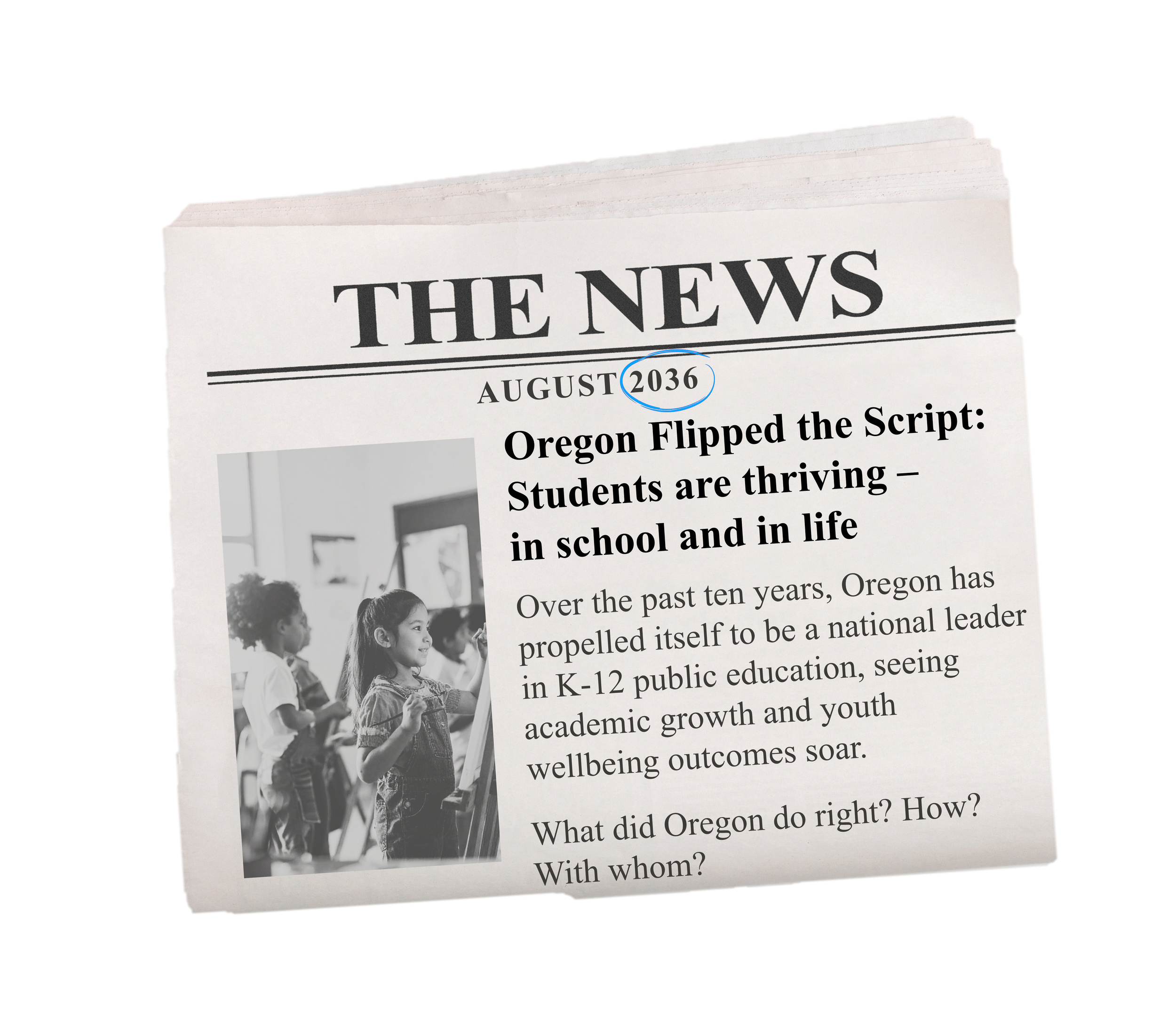
In ten years, Oregon has an opportunity to be a national leader - one that other states see as a model of academic growth and child wellbeing. This will take collective intention and a collective movement.
To protect public education, foster thriving young people, and create a future-focused workforce, Oregon has an opportunity to create a consistently better experience for students – at scale and at speed.
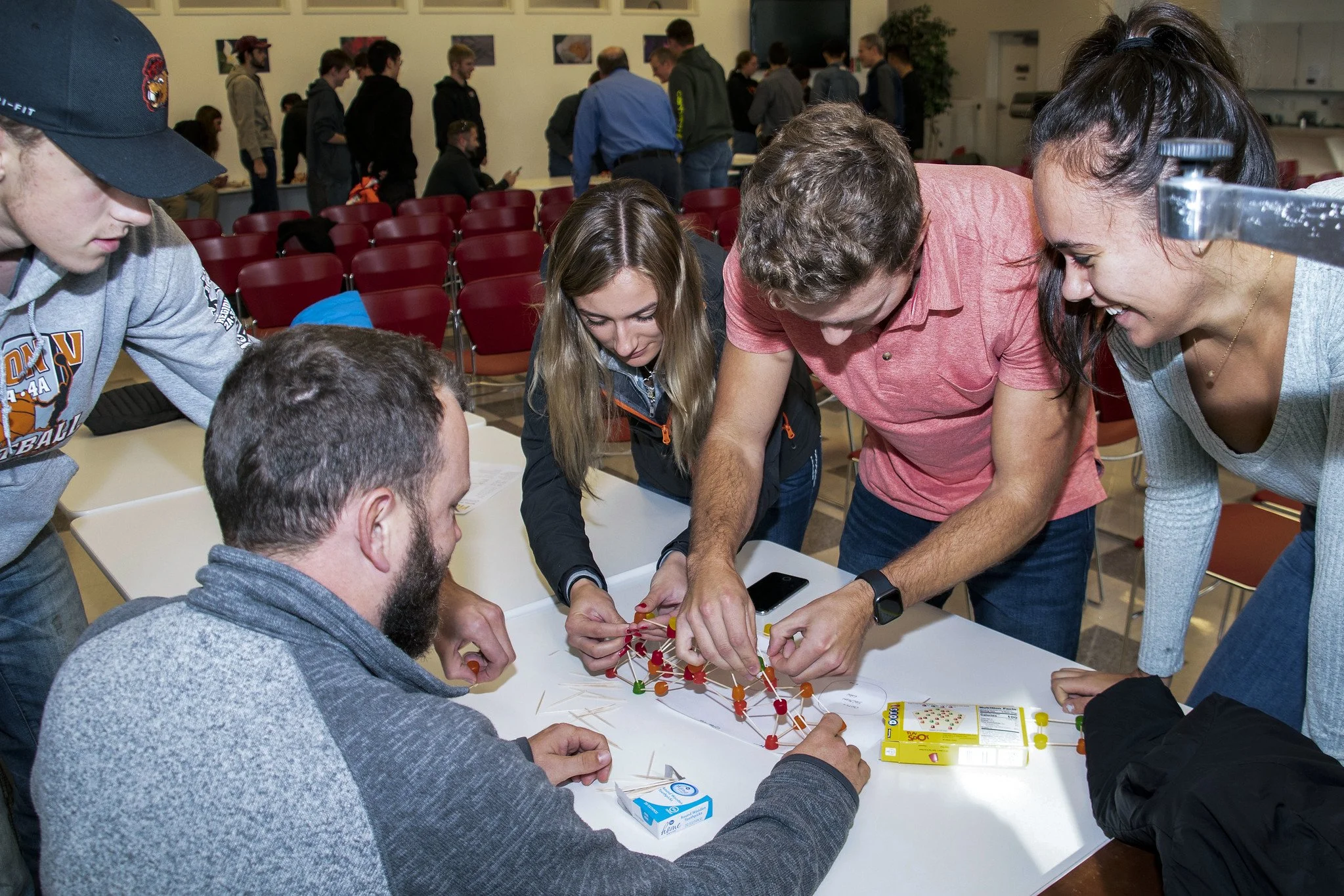
From “beating the odds” to “improving the odds”
ONE is a convening catalyst of education and community leaders across the state.
We celebrate students “beating the odds” everyday, but we focus on “improving the odds” through systemic improvements.


Connect the dots
Today, Oregon’s statewide public K-12 education system looks more like a floor full of Lego pieces than a coherent and connected picture of students’ academic growth and wellbeing.
Over the past decade, that system is producing these results:
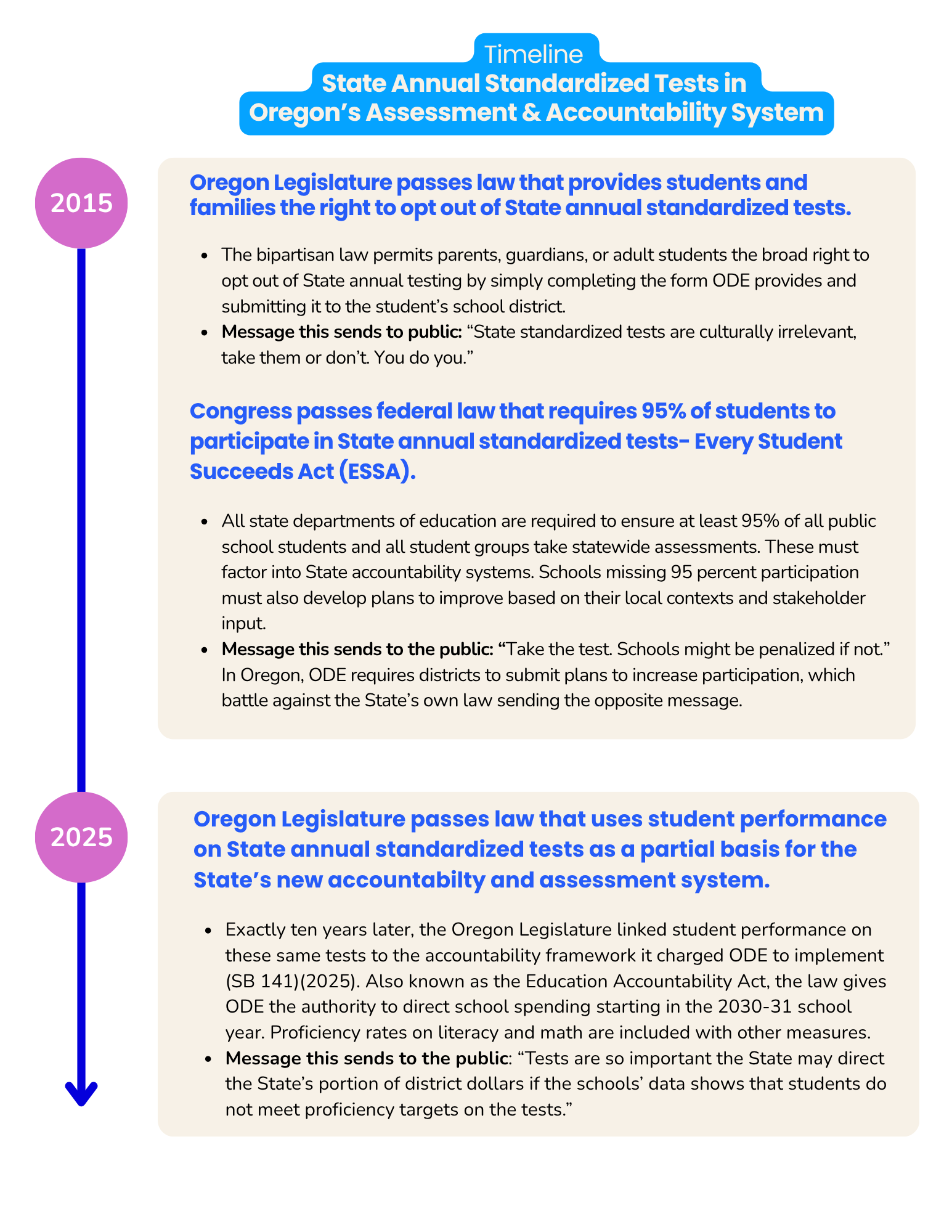
Students across the state are facing greater barriers to achievement and opportunity, measured both by State and nationally normed standardized tests and acute attendance challenges since the pandemic.
Despite increased staffing levels and declining student enrollment, dedicated educators are overtaxed.
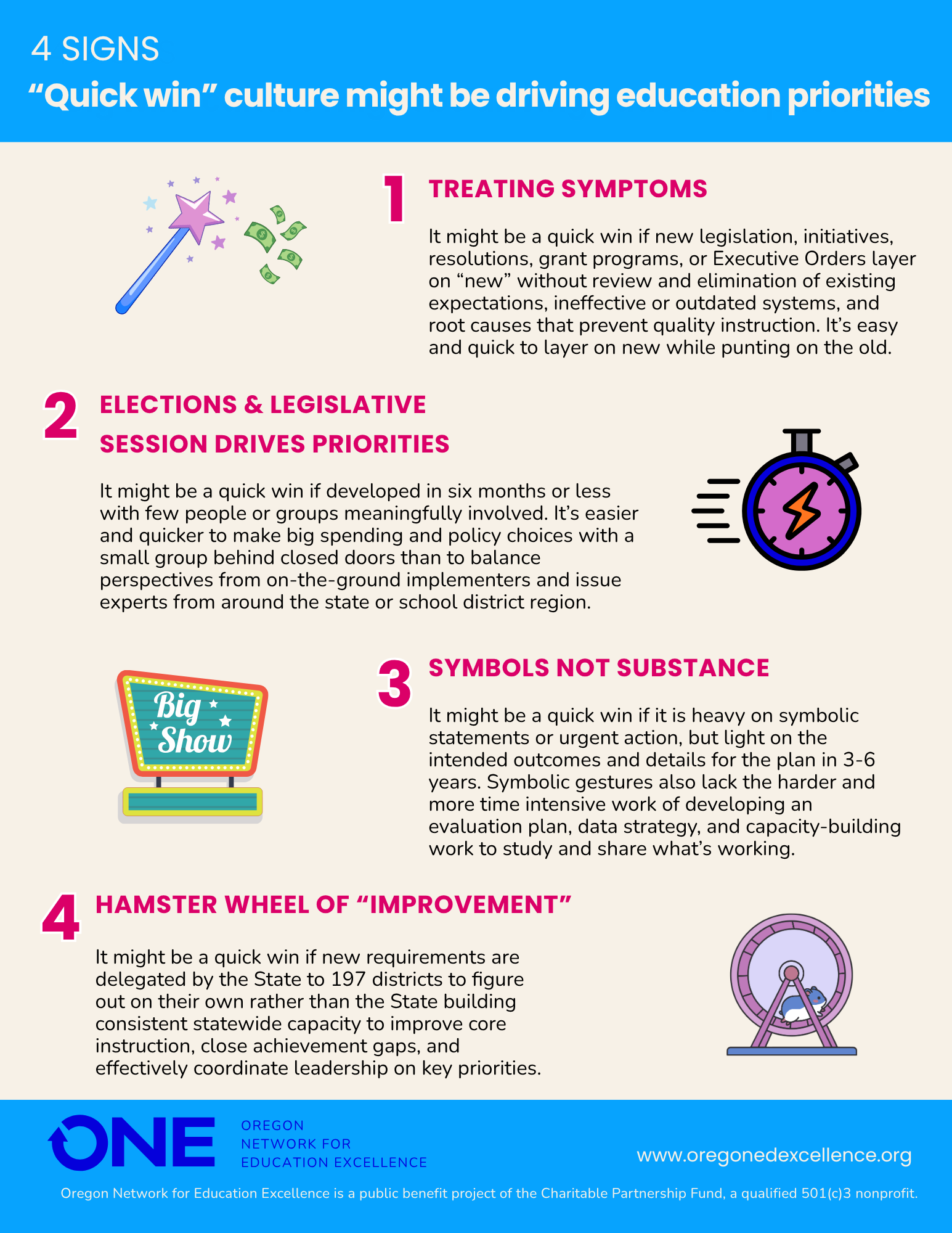
A patchwork of well-intended statewide improvement initiatives developed over the past 10 years is laid on a fragmented foundation built for the past. Seismic shifts following the pandemic are now crumbling it. It’s time to stop kicking the can down the road on needed structural improvements that connect the dots between good intentions and excellent outcomes for young people.
SUBSCRIBE TO THE SUBSTACK